I grew up just a few miles from where the Gulf meets the sky, where the breeze smells like salt and pine, and where stories—old ones—don’t always stay buried. In Pensacola, we learn early that history isn’t just found in textbooks. It lingers. It creaks through the floorboards, echoes down brick corridors, and sometimes looks back at you when you think you’re alone.
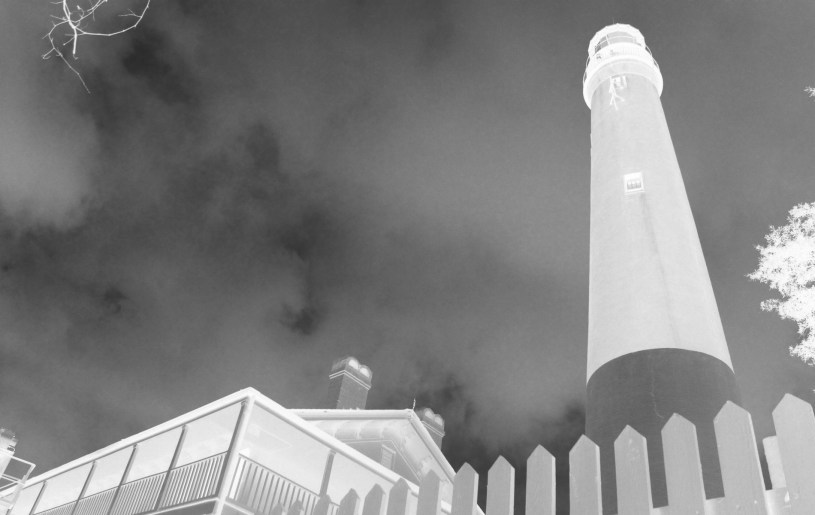
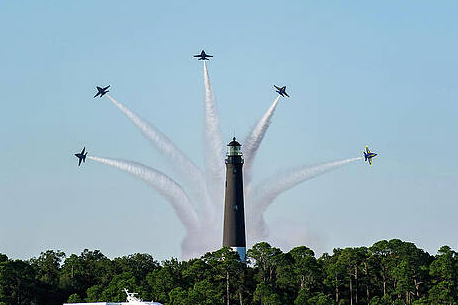
And nowhere is that truer than the Pensacola Lighthouse, standing watch over the bay since 1859. Beautiful, stoic, and undeniably haunted.
Ask anyone who’s lived here long enough, and they’ll nod. Some will talk. Others won’t. But the lighthouse—she doesn’t keep secrets.
She whispers them.
A Tall Shadow on the Bay
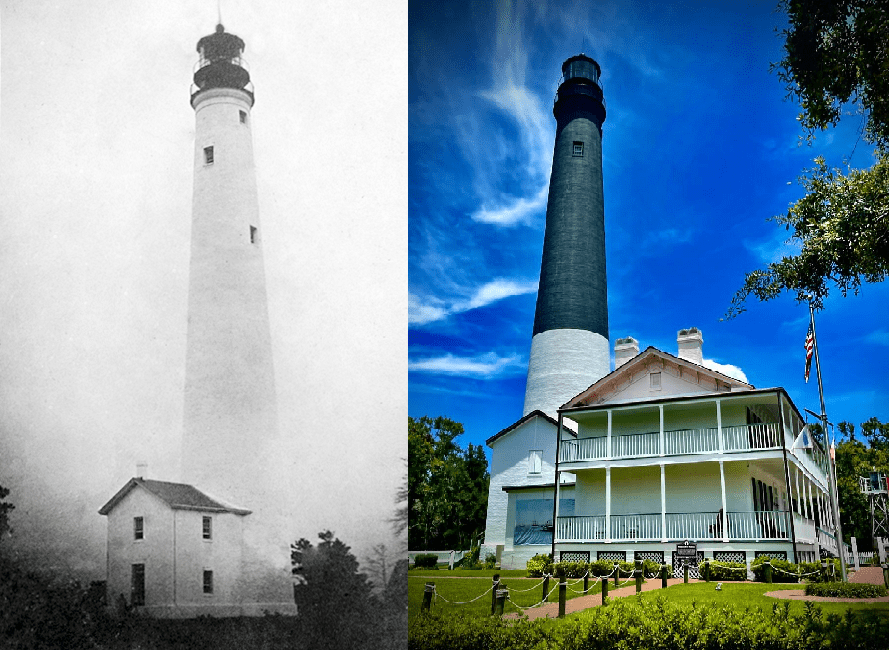
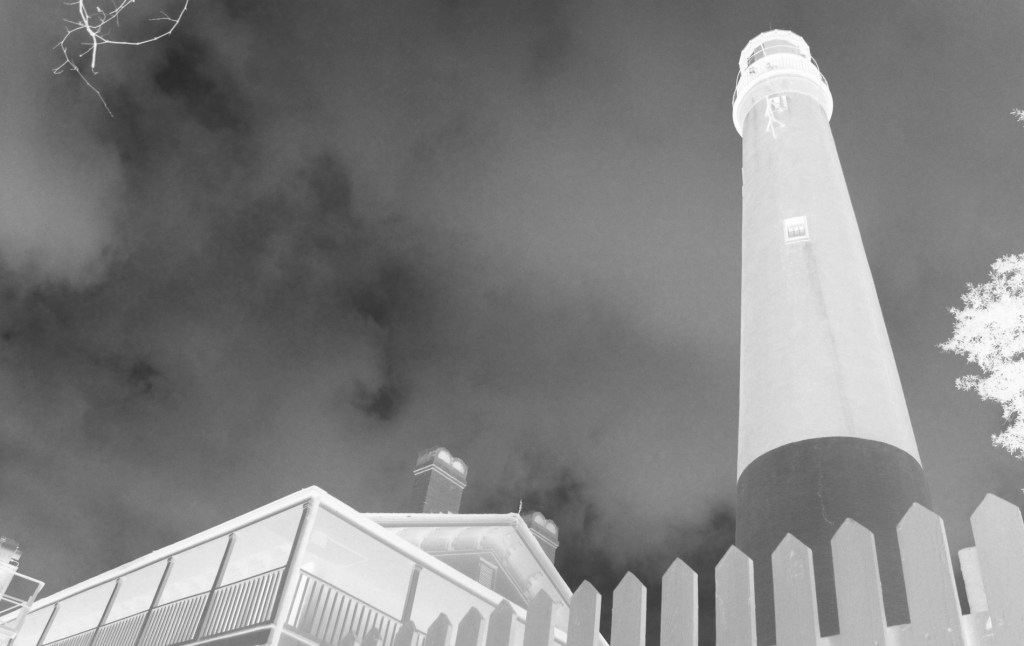
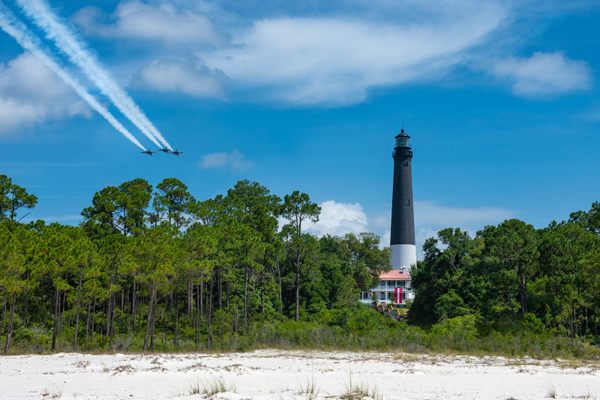
The Pensacola Lighthouse sits on Naval Air Station Pensacola, just inside the western gate. It’s 150 feet of iron and brick, painted black halfway up—like mourning clothes—and it has a long memory. Officially, it’s one of the most historic lighthouses on the Gulf Coast. Unofficially? It’s one of the most haunted places in Florida.
Built during a time of tension and transition, it has watched Civil War cannons fire across the bay, weathered hurricanes, and witnessed more personal tragedies than most buildings can bear without crumbling.
But the strange thing? It hasn’t crumbled. It stands, and it watches.
The Keeper’s Wife Who Never Left
The lighthouse’s best-known spirit is Jeremiah Ingraham’s wife, Mariah, who reportedly met a grim end inside the keeper’s quarters in the mid-1800s. Ingraham had served as a lighthouse keeper at multiple stations before being transferred to Pensacola in the 1850s. According to local lore—and some records—Mariah was stabbed to death in the keeper’s home.
By who? That’s where things get murky. Some say it was her husband in a moment of rage. Others suggest it was an intruder. Officially, the story is more folklore than confirmed crime—but ask any lighthouse staff or volunteer today, and they’ll tell you: she’s still there.
Claire D., a former volunteer who worked night tours for three years, shared this in a 2014 interview:
“I was locking up the gift shop one night, and I heard footsteps—heels—clicking across the hardwood upstairs. I called out, thinking maybe a guest had wandered off. Nothing. Then the door behind me slammed shut. Hard. There was no wind.”
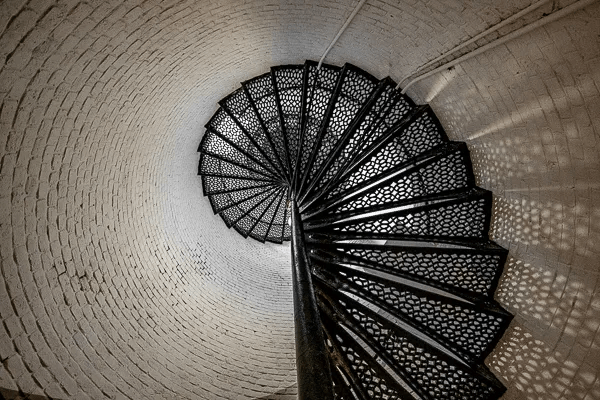
Mariah is often seen—or more often felt—on the staircase, in the bedrooms, and walking the upper floors. Guests report cold spots, a strong perfume scent (lavender or lilac), and the sensation of someone brushing past them on the narrow spiral stairs.
The Man at the Top of the Stairs
Not all the ghosts are quiet. Some are angry.
One story that comes up again and again among night staff is the man at the top of the tower. He’s seen only occasionally, always at night, standing just behind the last step before the lantern room. He doesn’t speak. He doesn’t move. But people who see him describe the same things—dark uniform, older man, eyes that watch too closely.
A former Coast Guard technician named Anthony R., who worked on light maintenance during the early 2000s, told a friend of mine this chilling memory:
“We were doing a check-up after Hurricane Ivan. I was up there alone, cleaning glass, when I felt something behind me. I turned—there was no one—but the smell hit me. Pipe smoke. The old kind. The hairs on my neck went up, and I heard a voice say, ‘You shouldn’t be up here.’ Clear as day. I left the tools behind and walked down all 177 steps without stopping once.”
The Shadow Children
One of the eeriest aspects of the haunting involves children’s laughter, often heard in the yard, or echoing faintly from the base of the stairs. Staff have searched the grounds multiple times after hours, always finding nothing.
Several visitors, particularly on school tours or family outings, have mentioned seeing children running up the stairs—only to be told that no other families were in the lighthouse at the time.
In one case from 2012, a woman named Bethany H., visiting from Atlanta, caught something strange in a photo taken inside the keeper’s bedroom. It showed a child-sized silhouette standing behind the bedframe. No one in her party was under the age of 16.
Could these be echoes of children once housed here during wartime evacuations? Or perhaps the children of keepers themselves? No one knows. But their laughter—bright and sudden—never fails to unsettle.
The Civil War and the Battle Across the Bay
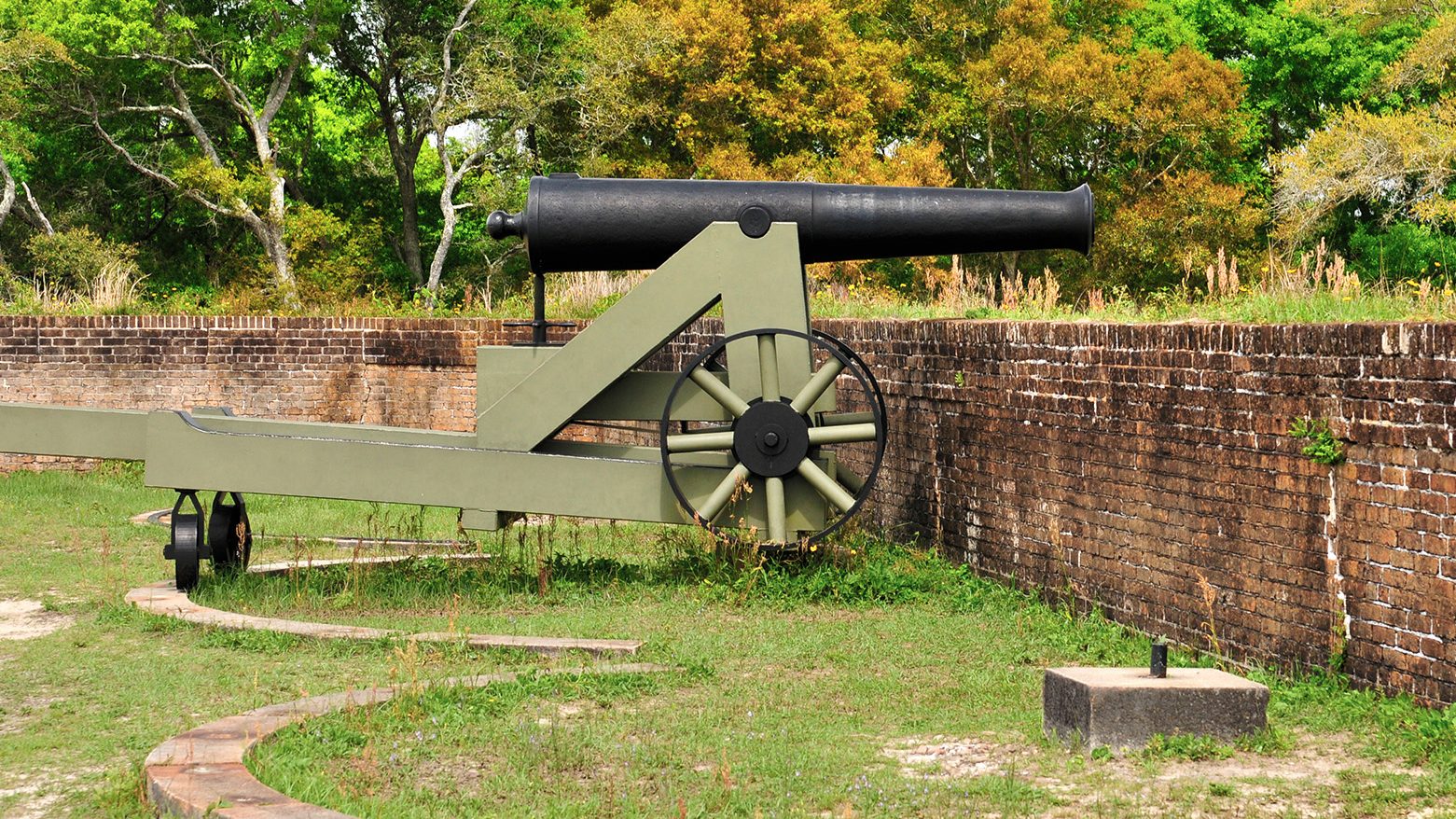
During the Civil War, the lighthouse stood in a uniquely dangerous position. Union forces occupied it early, and Confederate cannons at Fort Barrancas, directly across the bay, fired on it regularly.
Though the lighthouse itself wasn’t destroyed, it was a symbol—and a target. There are reports of injuries and deaths nearby, and of at least one Union lookout shot while inside.
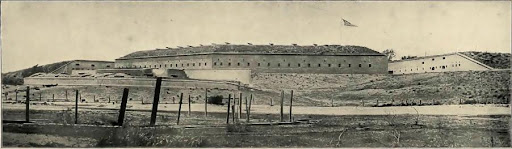
In 1861, the keeper’s quarters were hit by a shell. Some believe the trauma of that war—the violence, the fear, the isolation—left psychic scars. Paranormal investigators have recorded unexplained voices, particularly male, speaking in 19th-century dialects near the walls of the house and along the sea-facing porch.
One EVP (electronic voice phenomenon) captured by a research team in 2010 included the phrase:
“Hold the line… they’re coming.”
No one had spoken those words during the session.
The Modern Hauntings
The hauntings haven’t stopped in modern times. In fact, as access to the lighthouse has increased through tourism, more stories have emerged.
Visitors report:
- Camera malfunctions near the top of the tower
- Cold spots in the center of otherwise warm rooms
- Disembodied voices during quiet moments
- The sound of keys jingling when no staff are present
One park ranger who worked night security said in an interview with WEAR-TV:
“It’s not every night. But when it happens, you know. The house gets quiet, and then you feel it. Like someone’s watching you from the hallway. You don’t see them. But you don’t have to.”
Scientific vs. Spiritual
Skeptics argue that the age of the building explains the sounds. Shifting wood, air pressure changes, and echoing footsteps are common in tall, narrow towers. They also point to suggestibility—when people come expecting ghosts, they’re more likely to notice something odd and interpret it as paranormal.
That said, Pensacola’s lighthouse has been investigated dozens of times by paranormal groups. Teams using EMF detectors, audio recorders, and thermal cameras have consistently recorded anomalies they couldn’t explain.
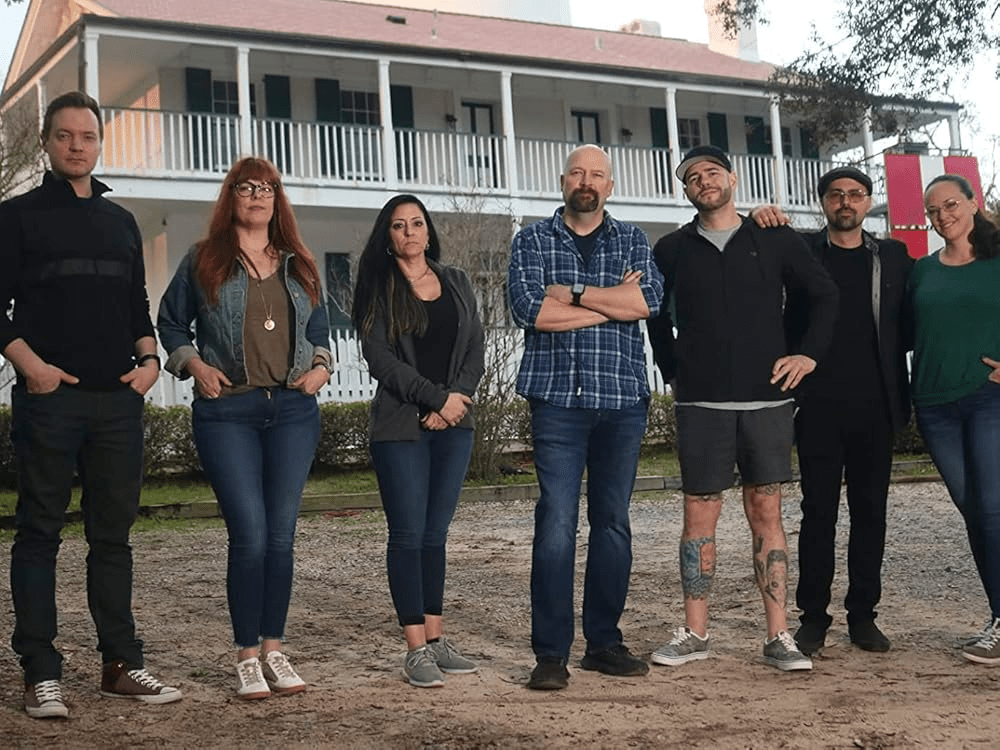
In 2011, the site was featured on the TV series Ghost Hunters. The team reported shadow figures, unexplained voices, and one member being touched on the arm—despite being alone in the tower.
Living with the Spirits
Locals, for the most part, take the stories in stride. The hauntings are part of life here, like thunderstorms or pelicans on power lines.
You’ll hear stories at coffee shops downtown, from Navy staff, or from old-timers on their front porches. Some swear it’s real. Others smile and say nothing. But almost all of them agree: something walks the lighthouse at night.
I remember visiting on a school field trip in the fourth grade. We climbed the stairs, looked out across the bay, and descended in pairs. But I swear to you, when I reached the second landing, I felt a hand on my shoulder. No one was behind me. I didn’t say anything then—but I think about it every time I drive down Blue Angel Parkway and see the tower in the distance.
What the Lighthouse Means to Us
To outsiders, the Pensacola Lighthouse is a well-preserved maritime relic. A tourist stop. A photo op.
To us locals, it’s more than that. It’s part of our fabric. A place where history breathes a little louder. Where the past never truly left.
Maybe the spirits are real. Maybe they’re memories burned into brick and wood. Or maybe the lighthouse, like any old soul, just doesn’t want to be forgotten.
Whatever it is, it’s watching. Waiting. Keeping its light on through every storm, even the ones no one sees.
Discover more from Midnight Ghostlights
Subscribe to get the latest posts sent to your email.
 Midnight Ghostlights