In 1959, nine experienced hikers fled their tent in the dead of night—barefoot, barely clothed, into sub-zero temperatures. What investigators found weeks later stunned the Soviet Union… and remains unexplained to this day.
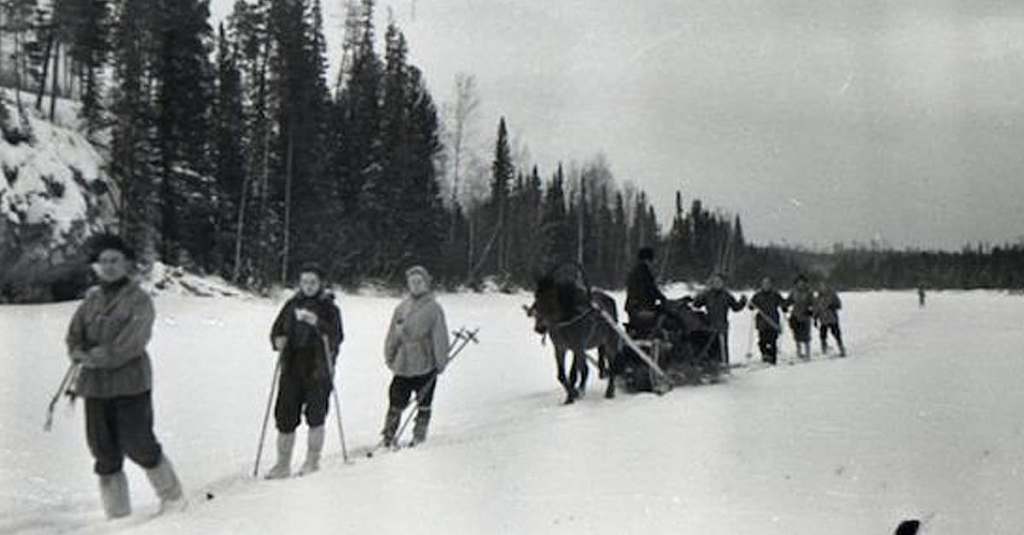
In the Ural Mountains of Soviet Russia, where the wind never sleeps and the snow can bury a man whole, nine experienced hikers set out in January of 1959 to test their limits and their skills. What they found—or what found them—has never been conclusively explained.
Their frozen bodies were discovered weeks later, scattered across the snow, their tent ripped open from the inside, many of them barefoot and barely clothed in sub-zero temperatures. Some had crushed skulls, one had her tongue removed. There were no signs of a struggle with others, no footprints other than their own. Soviet investigators were baffled. Over six decades later, the event remains one of the most disturbing and elusive cold cases of the 20th century.
This is the story of the Dyatlov Pass Mystery—a tragedy buried beneath snow, silence, and secrecy.
The Expedition
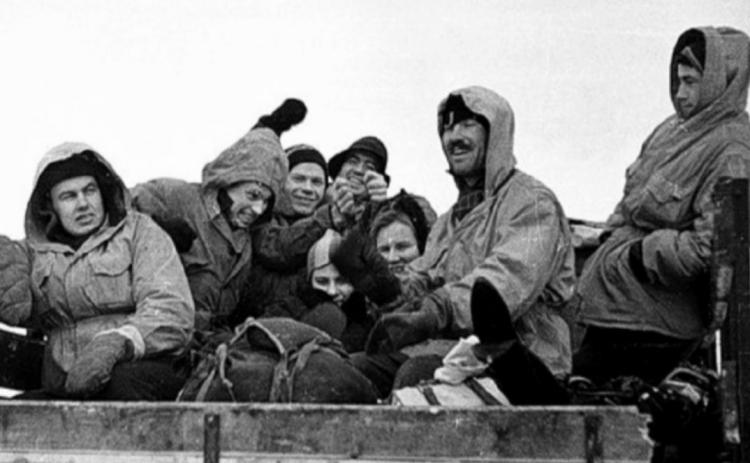
In late January 1959, ten people set out on a hiking expedition to reach Mount Otorten in the northern Ural region. All were students or recent graduates from the Ural Polytechnic Institute in Sverdlovsk (now Yekaterinburg). The trek was intended to gain them a Grade III hiking certification—the highest in the Soviet Union at the time.
The group included:
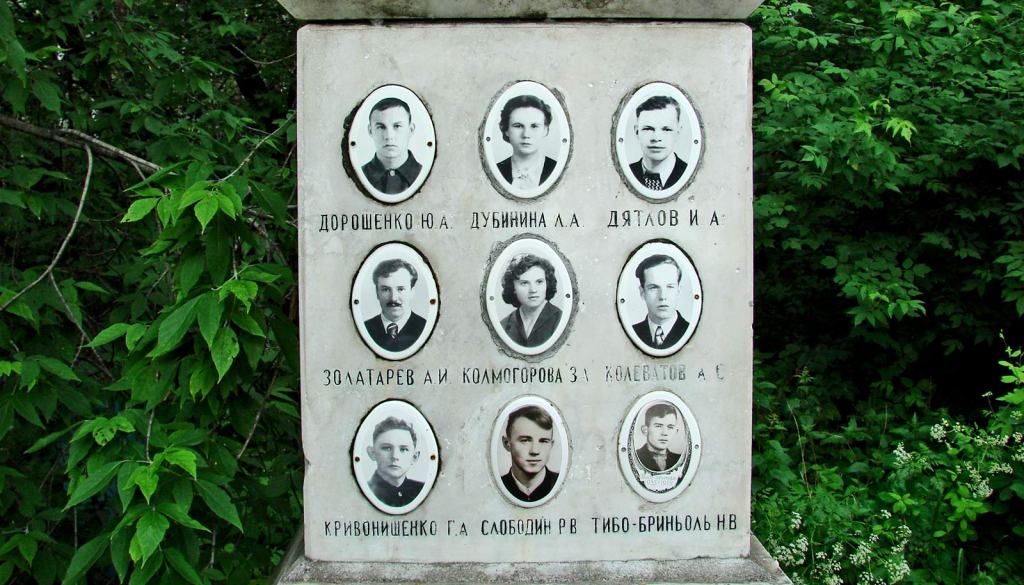
- Igor Dyatlov, 23 (the group’s leader)
- Yuri Doroshenko, 21
- Lyudmila Dubinina, 20
- Zinaida Kolmogorova, 22
- Rustem Slobodin, 23
- Alexander Kolevatov, 24
- Yuri Krivonischenko, 24
- Nikolai Thibeaux-Brignolles, 23
- Semyon Zolotaryov, 38
- Yuri Yudin, 21 (the only one who would survive, due to illness forcing him to turn back early)
The others continued on, unaware they would never return.
February 1, 1959: The Final Camp
The group’s diary entries and photos (recovered later) show a lively, disciplined team enjoying their trek, laughing, joking, and singing through the snowy wilderness. On February 1st, they decided to set up camp on the eastern slope of Kholat Syakhl—a name in the local Mansi language that chillingly translates to “Dead Mountain.” They were only a few miles from their destination.
No one knows what happened that night.
What is known is this: something compelled all nine hikers to cut their way out of their tent from the inside and flee into the freezing darkness, some barefoot, some nearly naked, without supplies or weapons, into -25°C (-13°F) temperatures.
They would not live through the night.
The Search Begins
When the group failed to return by their scheduled date of February 12, relatives and university officials began to worry. On February 20, search parties—composed of fellow students, teachers, and eventually Soviet military personnel—were dispatched.
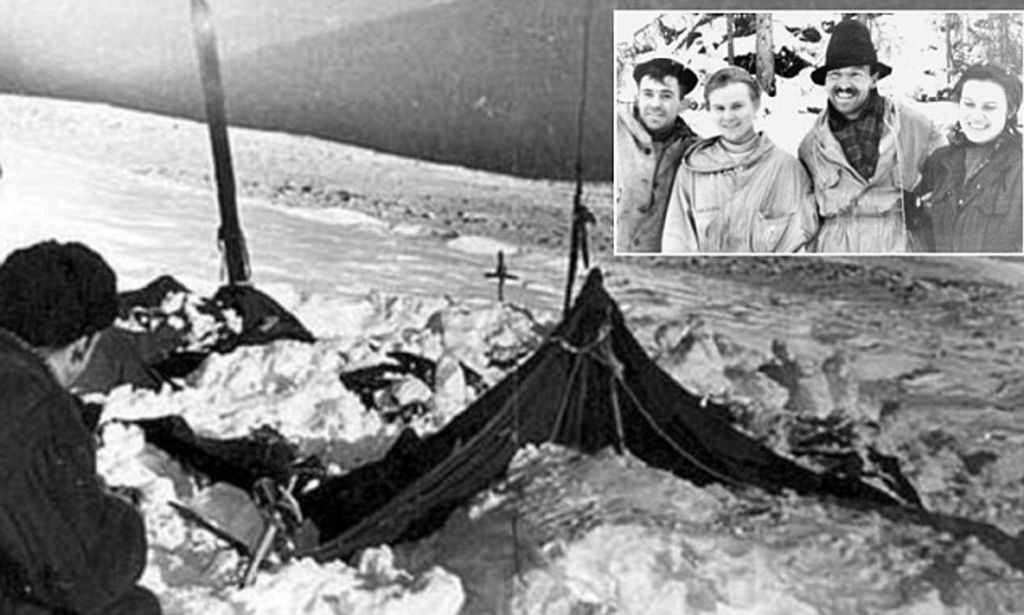
February 26, 1959: The searchers found the abandoned tent. It had been slashed open from the inside. Inside were the hikers’ boots, coats, and gear—everything left behind in haste. Outside, footprints led away from the tent—some barefoot, others wearing only socks.
Following the tracks, the searchers discovered the first two bodies, Krivonischenko and Doroshenko, near a cedar tree at the edge of the forest. They were in their underwear, burned hands indicating they had tried to climb or gather warmth from a fire. Between the tree and the tent, searchers found Dyatlov, Kolmogorova, and Slobodin, dead from hypothermia, in poses suggesting they were trying to return to camp.
But the real horror was yet to come.
The Ravine
It wasn’t until May 4, after the snow began to thaw, that the remaining four hikers were discovered in a ravine 75 meters from the cedar tree, buried beneath four meters of snow. These bodies—Dubinina, Zolotaryov, Kolevatov, and Thibeaux-Brignolles—showed extensive, violent injuries.
- Dubinina was missing her tongue, eyes, and part of her lips. Her chest was crushed, with multiple fractured ribs.
- Zolotaryov had similar chest injuries, as if hit by tremendous force—yet with no external wounds.
- Thibeaux-Brignolles had a fatal skull fracture, consistent with a powerful blow.
- Kolevatov had a twisted neck and signs of facial trauma.
According to Soviet pathologist Boris Vozrozhdenny, the injuries could not have been caused by another human:
“The force of the blows exceeded the strength of a man and was similar to the effect of a car crash.”
Still, there were no signs of a struggle, no defensive wounds, no foreign footprints—only confusion and death.
The Official Investigation
The Soviet investigation, led by Lev Ivanov, was closed quickly, concluding simply that the hikers had died from “a compelling natural force.” The files were classified and buried for decades.
But Ivanov himself later expressed doubts. In a 1990 interview, he stated:
“I suspected at the time—and am almost sure now—that these bright flying spheres were directly connected with the group’s death.”
He was referring to reports from nearby villagers and other hikers who claimed to see orange orbs of light in the sky during the nights around the incident. Others spoke of radiation found on some of the hikers’ clothing, though whether it came from the environment or previous contamination (some worked in nuclear facilities) is debated.
The investigation raised more questions than it answered.
Theories and Explanations
Over the decades, the Dyatlov Pass Mystery has generated countless theories, ranging from scientific to conspiratorial, each attempting to explain what could drive nine skilled hikers into a panic so intense they abandoned warmth, tools, and safety.
1. Avalanche
A common explanation is a small, delayed slab avalanche, where a section of the snowpack shifts without warning. In 2021, a Russian-Swiss study used computer modeling to suggest this could account for the panic and trauma.
Yet critics point out that the angle of the slope, the tent’s location, and no signs of snow displacement make this unlikely. The hikers were experienced and would not have camped somewhere prone to avalanches.
2. Infrasound
Some researchers have proposed that infrasound, low-frequency noise produced by wind patterns around the mountain, could have triggered panic and disorientation in the hikers. The so-called Kármán vortex street effect might cause anxiety, nausea, or even hallucinations.
But while this may explain their erratic behavior, it does not explain the traumatic injuries suffered by some.
3. Military Testing
Many believe the hikers may have stumbled into classified Soviet weapons testing. The area was known for occasional parachute mine tests, and the wounds on the bodies could be consistent with a concussive blast—powerful enough to cause internal trauma without external signs.
This would also explain why the investigation was shut down quickly, and why files were locked away. However, there is no direct evidence of military activity on those exact days.
4. Supernatural or Extraterrestrial
From aliens to Yeti to interdimensional portals, the internet has no shortage of wild theories. Witnesses in nearby villages did report strange lights in the sky, and some locals spoke of a “shining sphere” above the mountains. However, these remain anecdotal.
Photographs recovered from the hikers’ cameras show nothing overtly paranormal—though frame 34, a blurry, overexposed shot taken at night, is sometimes pointed to as depicting a light in the sky.
5. Psychological Breakdown or Internal Conflict
Some have speculated about group tension or mental breakdown, possibly worsened by cold, hunger, or illness. Yet there is no evidence of infighting or violence among the group. If anything, their final actions—trying to protect one another, huddling for warmth—suggest unity.
The Sole Survivor Speaks
Yuri Yudin, the tenth member of the group who turned back due to illness, spent his life haunted by the loss of his friends. In later interviews, he expressed his belief that the truth had been hidden.
“If I had a chance to ask God just one question, it would be: what really happened to my friends that night?”
He passed away in 2013, never learning the answer.
Modern Investigations
In 2019, under public pressure, Russian authorities reopened the investigation. But in 2020, the new report concluded—once again—that the deaths were the result of a slab avalanche.
Few were satisfied.
Skeptics point out that the government seemed more focused on ending speculation than finding truth. Even modern research teams face difficulties due to lost evidence, degraded remains, and a culture of secrecy that still lingers from the Soviet era.
Today, a memorial stone stands in Dyatlov Pass, and the hikers’ graves are visited by those who seek answers or simply wish to honor the dead.
Final Thoughts: A Mystery in the Snow
The Dyatlov Pass Mystery is not simply about the unknown. It is a story about nine intelligent, strong, and brave young people who walked into a remote wilderness and met something they were not prepared for—be it nature, man, or something stranger.
In the end, it is perhaps the very lack of answers that keeps the story alive. The half-cut tent, the footsteps in the snow, the broken bodies, the silences—all of it speaks to a truth just out of reach.
Some believe the case has been solved. Others believe it never will be.
But on the slopes of Kholat Syakhl, under the ice and wind, the forest still holds its secrets. And somewhere in that darkness, the unanswered question still echoes:
What terrified nine seasoned hikers so badly that they fled into the cold?
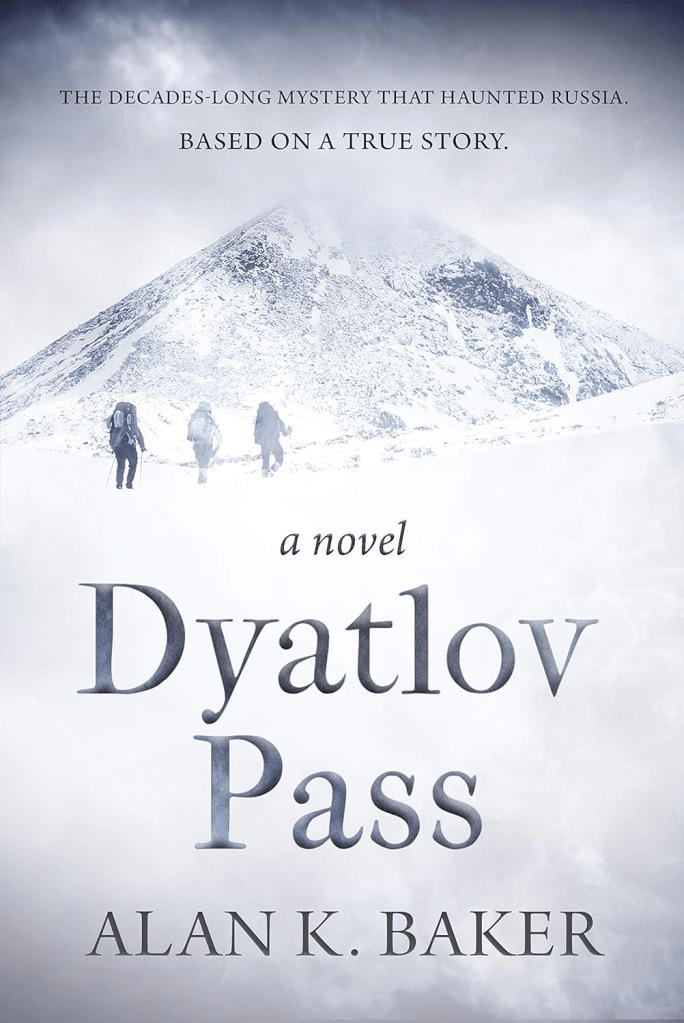
Want to know more about this historic mystery? Read for free on Kindle Unlimited’s free trial.
Discover more from Midnight Ghostlights
Subscribe to get the latest posts sent to your email.
 Midnight Ghostlights